I
n the North
.JPG/640px-Micklegate_Bar_(3).JPG) |
| Micklegate, York |
Rupert
proposed that he take his army up north to relieve the siege of York, while Charles would join Maurice in the West Country, where his army was besieging Lyme. Charles and Rupert would then return to Oxford to relieve the city.
Rupert left on schedule but his opponents persuaded Charles to stay. Digby[i] gave up Abingdon to the
Parliamentarians and the defences around Reading were destroyed.
Waller
joined Essex in containing the Royalist forces in Oxford, hoping to trap
Charles. He managed to slip out of the town with 7,000 men. Waller’s troops
stood between Charles and Rupert and his army, while the roads south were
blocked by Essex.
 |
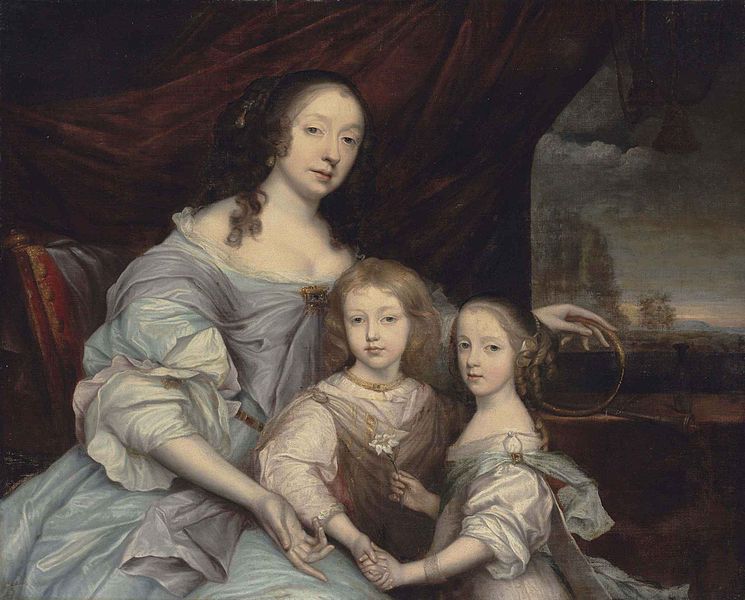
| Countess of Derby |
Rupert
received a letter from his uncle that Rupert understood to be an order to march
to relieve York which Lord Newcastle and 4,000 foot soldiers defended for the
king.
‘If York be lost, I shall
esteem my crown little less……but if that be lost…..you immediately march to
Worcester, to assist me.’[ii]
Rupert had
already invaded Lancaster, captured Stockport and rescued the Countess of Derby[iii] and her retainers from a three month
siege of Lathom House. He was joined by Lord Goring in Bury. Rupert sent for more gunpowder from Oxford, having failed to find any
in Liverpool. He then marched his army across the Pennines, arriving in Knaresborough on 30th June.
Marston Moor
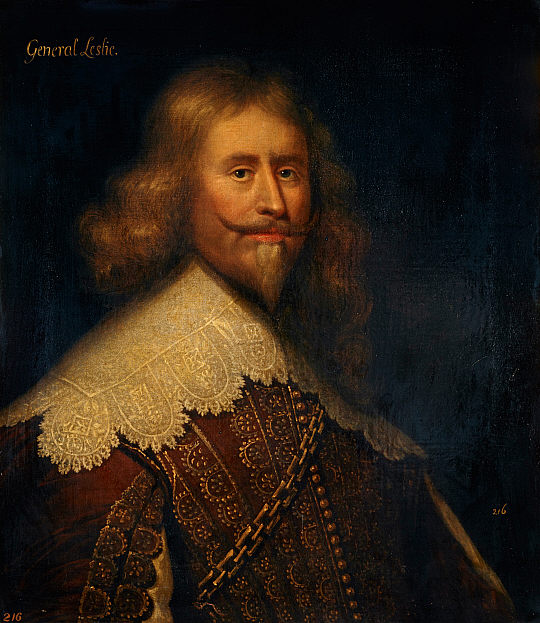 |
| Alex Leslie |
The
Parliamentarians placed their forces between Rupert and his destination at Long Marston. The battle of Marston Moor was fought on 2nd July
1644, the day after Rupert’s men had made a forced march of 22 miles having
crossed three rivers en-route. Rupert was outnumbered by 10,000 men. Oliver Cromwell and David Leslie commanded the Parliamentarian
cavalry under the overall command of Alexander Leslie[iv], the Earl of Leven.
Not only did
the Parliamentarians have a larger army, they had better commanders; Goring’s
men were notorious for their indiscipline and were incapable of following
orders. Battle commenced in the late evening and, when the Royalist front caved
in, Goring’s men fled the scene of the battle. Lord Byron decided to lead his
men in an attack on Cromwell, a decision that was part of the Royalist undoing.
Newcastle’s
men refused quarter fighting on until only thirty were left. The Marquis of
Newcastle’s wife wrote;
‘Coming near the town, he
[Newcastle] met His Highness Prince Rupert, with the lieutenant-general of the
army, the Lord Ethyn. His Highness asked my lord how the business went? To whom
he answered that all was lost and gone on their side.’[v]
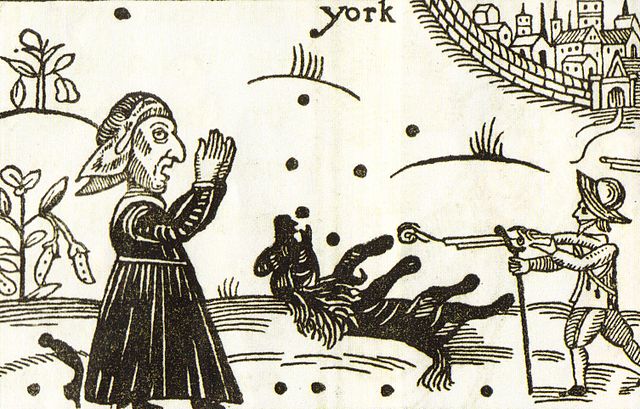 |
| Death of Boy |
Among the
dead was Rupert’s dog Boy, who had slipped his collar before the battle. Boy
was accused of being a witch's familiar. There were numerous accounts of Boy's
abilities; some suggested that he was the Devil in disguise, come to help
Rupert.
Pro-Royalist
publications ultimately produced parodies of these, including one which listed
Rupert's dog as being a "Lapland
Lady" transformed into a white dog; Boye was allegedly able to find
hidden treasure, possessed invulnerability to attack, could catch bullets fired
at Rupert in his mouth, and could prophesy as well as Mother Shipton. Similar stories from the period
relate to Rupert's pet monkey who was also reputed to have shape shifting
powers, being able to disguise itself behind enemy lines.
Rupert
himself arrived in York late at night; Rupert’s next task as he saw it was to
rally his men and rode back to Lancashire, then across to Cheshire, Shrewsbury
and finally Wales in an attempt at rebuilding an army for his uncle.
Setbacks
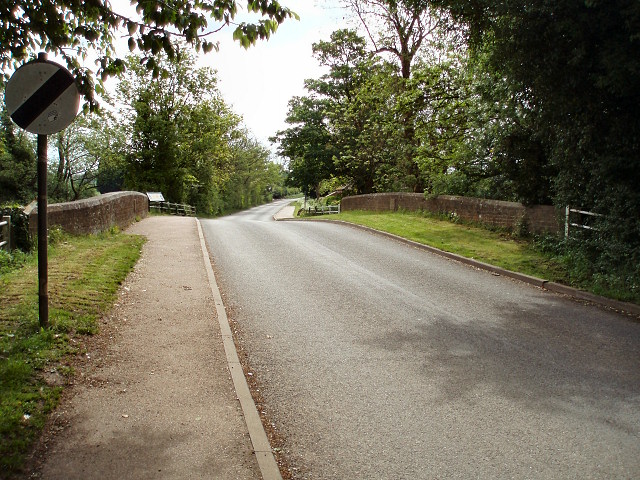 |
| Cropedy Bridge |
Despite the
problems in the north Charles was not despondent; he’d managed a victory of his
own over Waller at Cropredy Bridge[vi]. Charles decided to march westwards
with his men and link up with Maurice; they would then outnumber Essex, who was
on his way to Lyme.
Charles
decided on reorganising his commanders, necessitated by the arrest of Wilmot for
intriguing with the enemy; he was replaced by Goring. Lord Percy was replaced
by Lord Hopton as Master of the Ordnance. Charles wrote to Rupert;
‘Concerning your generosity
and particular fidelity and friendship to me, I have implicit faith in you.’[vii]
Charles did
not make Rupert Captain-General of his forces until 6th November as
the removal of the Earl of Brentford, who had overall charge of the military,
needed careful handling. At the end of August Charles won the battle of Lostwithiel[viii]; but his journey back to Oxford was
barred by Waller.
In the north
Lancashire was lost to the Royalists, as was Newcastle, and Montgomery Castle. Rupert and Charles met up in Dorset
at the end of September; they agreed to act defensively to concentrate their
efforts on Oxfordshire, Wales and south-west England. The remains of the
northern armies were to be amalgamated with Charles’ army while Rupert
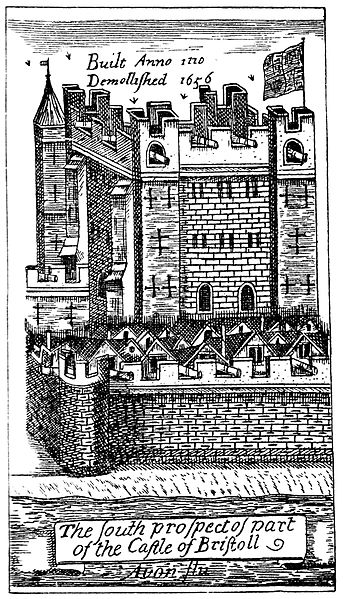
strengthened the garrison at Bristol; he was then to return to assist his
uncle.
Reformation
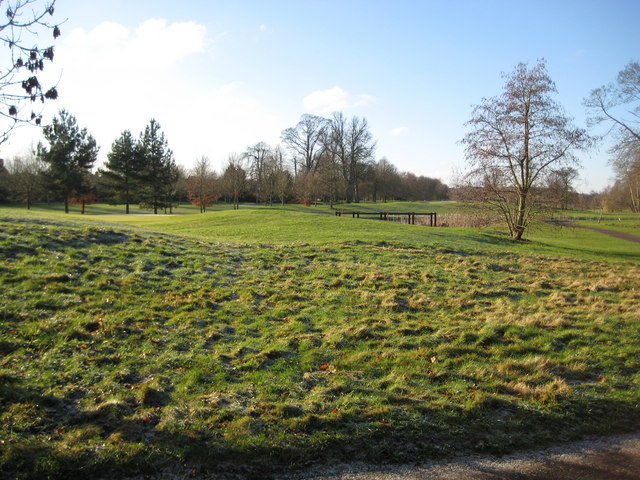 |
| Site of Second Battle of Newbury |
Rupert
reached Bristol on 6th October and remained three weeks. While there
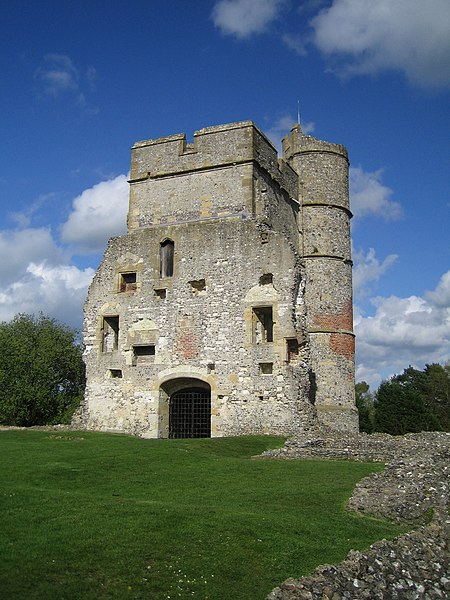
Rupert was informed by his uncle that Basing House[ix] and Banbury and Donnington Castles were all in danger of surrendering.
Rupert was also told that Oxford and Chester were at risk. Charles wanted
Rupert to bring reinforcements up from Bristol. Rupert did not meet up with
Charles and his army until after the second Battle of Newbury.
The military
situation was declining rapidly; Cirencester needed supplies and troops; the
garrison at Faringdon[x] were suffering from famine, having
stripped the local area. Oxford itself was threatened by the Parliamentarians
now at Abingdon, a mere five miles from the city.
The siege of Taunton had been abandoned; the only good news came from Chepstow castle where the commander Colonel Sir John Wintour had seen off the rebels.
 |
| George Goring |
Rupert tried
to persuade Charles to come to terms with the Parliamentarians. But the terms
were little different from those Charles had previously refused. In the new
year parliament approved the creation of the New Model Army under Fairfax’s leadership. Essex was seen as insufficiently
committed to the cause
Rupert was
annoyed that the insubordinate Goring had demanded and received an independent
command from his uncle. Goring wrote to Rupert;
‘I found all my requests
denied by your hand, and therefore desired my orders from another.’[xi]
Before the
campaigning season started Goring was once again under Rupert’s control. But
Maurice was named President of Wales and the 14 year old Charles, Prince of Wales was placed in
command of the West with full powers. These two appointments severely curtailed
Rupert’s own command and he resented it. Goring refused to take orders from the
Prince of Wales’ council and eventually took himself off to Bath to take the waters.
A Turning Point
 |
| Beeston Castle |
Even so
before the campaign season was in full swing Rupert had restored order in Wales
and on the Welsh borders, relieved Beeston Castle[xii] put down a rising at Hereford. He then defeated a Parliamentarian force at Ledbury[xiii].
Fairfax had
orders to end the siege of Taunton and Cromwell was sent to raid Oxford. He
took Bletchingdon House after routing Royalist soldiers at Islip[xiv]. Oxford itself was placed under
further threat from Fairfax who had relieved Taunton and now turned on the
Royalist capital. The besieged city was short of food and ammunition; Goring was sent to
aid William Legge[xv] in charge of the garrison.
Rupert and
Charles made their way to Leicester which was taken by assault on 31st May and 1200 men were
taken prisoner[xvi]
after the town was sacked. Charles then made his leisurely way to Daventry, unaware of the danger to Oxford. By the 12th June Fairfax
was 1 mile away from the city, but the Royalists had already moved on to Market Harborough.
The
following day the Parliamentarians slaughtered an outpost Rupert had left at Naseby. On 14th June Fairfax won a decisive battle outside the village, a battle Rupert had tried to avoid.
Digby had chosen to persuade Charles to challenge Fairfax to fight, although
the Royalists were outnumbered.
 |
| Henry Ireton |
The New
Model Army was able to withstand Rupert’s cavalry attacks and attempts to
outflank the Parliamentarian position in front of boggy ground. Fairfax had
Cromwell and Henry Ireton under his command; Cromwell’s men
chased the Royalist foot off the field much to Charles’ chagrin. As so often
before Rupert’s cavalry overshot and took some time to return to the
battlefield.
Charles
wanted to lead a charge himself but was stopped by the Earl of Carnwath seizing his horse’s bridle and
turning Charles’s horse around. This was seen by the Royalists as a signal to
retreat. The Parliamentarians seized the baggage train where the Puritans were
brought up short by scenes of ungodliness;
‘They carried along with
them many strumpets…..these they made use of in places where they lay in a very
uncivil and unbecoming way.’[xvii]
The New
Model Army attacked all the women, branding them as whores, slashing their
faces, or slitting their noses and killing about 100 of them.
Bibliography
Prince
Rupert of the Rhine – Maurice Ashley, Purnell Book Services Ltd 1976
The English
Civil War – Robert Ashton, Weidenfeld & Nicholson 1989
Charles the
First – John Bowles, Weidenfeld & Nicholson 1975
The Diaries
of Lady Anne Clifford – DJH Clifford (ed), Alan Sutton Publishing Ltd 1990
Cromwell –
Antonia Fraser, Phoenix Paperback, 2001
Charles I –
Christopher Hibbert, Penguin Books 2001
The Grand
Quarrel – Roger Hudson (ed), Folio Society 1993
The Civil
Wars of England – John Kenyon, George Weidenfeld & Nicholson 1989
Prince
Rupert of the Rhine – Patrick Morrah, Constable & Company 1976
The English
Civil War – Diane Purkiss, Harper Perennial 2007
Prince
Rupert – Charles Spencer, Phoenix Paperback 2008
[i]
A man of little or no talent beyond charming the king out of what little wit he
had. Digby’s intense dislike of Rupert impelled him to persuade Charles into
actions that were potentially disastrous for his cause
[ii]
The English Civil War - Purkiss
[iv]
Both Leslie’s had fought under the command of King Gustavus Adolphus of Sweden
[v]
The Grand Quarrel - Hudson
[vii]
Rupert of the Rhine – Ashley
[x]
18 miles southwest of Oxford
[xi]
Rupert of the Rhine - Ashley
[xiii]
East of Hereford
[xiv]
Cromwell was then ordered to defend the eastern counties which it was believed
that the Royalists would attack
[xv]
One of Rupert’s supporters
[xvi]
The rules of war allowed Rupert to put them to the sword as they had defended
an assailable breach
[xvii]
The English Civil War - Purkiss